Replica watches have become a genuine problem in the secondary market. The days of a bad fake being obvious, wrong font on the dial, rattling movement, plastic crystal, are largely over. High-end replicas now use genuine Swiss ETA movements, properly printed dials, and cases machined to near-correct tolerances. If you're buying online without a structured authentication process, you are taking on real risk.
At Northern Dial Co., every piece goes through the same checklist before it's listed. Here's exactly what that process looks like, and why each step matters.
Step 1: Serial and Reference Number Verification
Every watch has a reference number (model) and a serial number (individual unit). On modern Rolex, these are engraved between the lugs, reference at 6 o'clock, serial at 12. On Omega and TAG Heuer, serials are typically on the caseback. We verify both numbers against manufacturer records and cross-reference serial ranges against known production year data.
A mismatch between the listed reference and the actual watch is immediately apparent. A mismatch between the serial range and the stated production year is a serious flag, it means either the watch has been re-cased, or the paperwork is fraudulent, or both.
Step 2: Dial Authentication
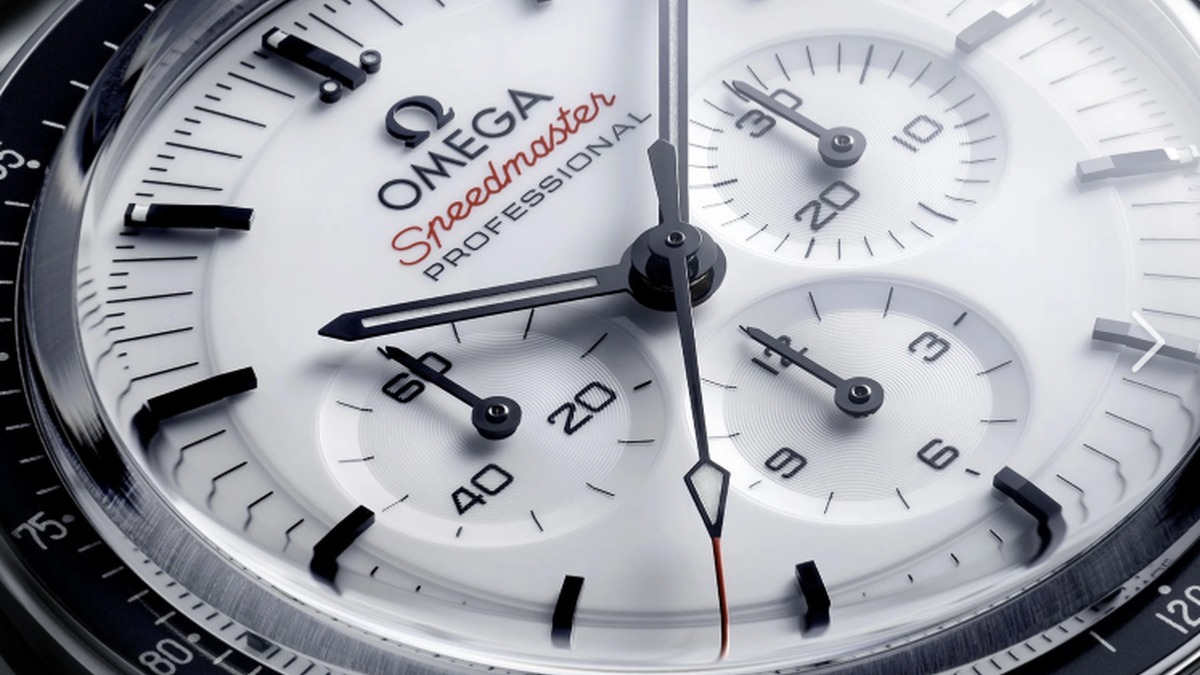
The dial is where most fakes fall apart under scrutiny. We check printing crispness under a 10x loupe, legitimate Swiss dials have razor-sharp text, consistent ink density, and zero bleeding at character edges. Lume plots are examined for shape consistency, fill level uniformity, and alignment to index markers.
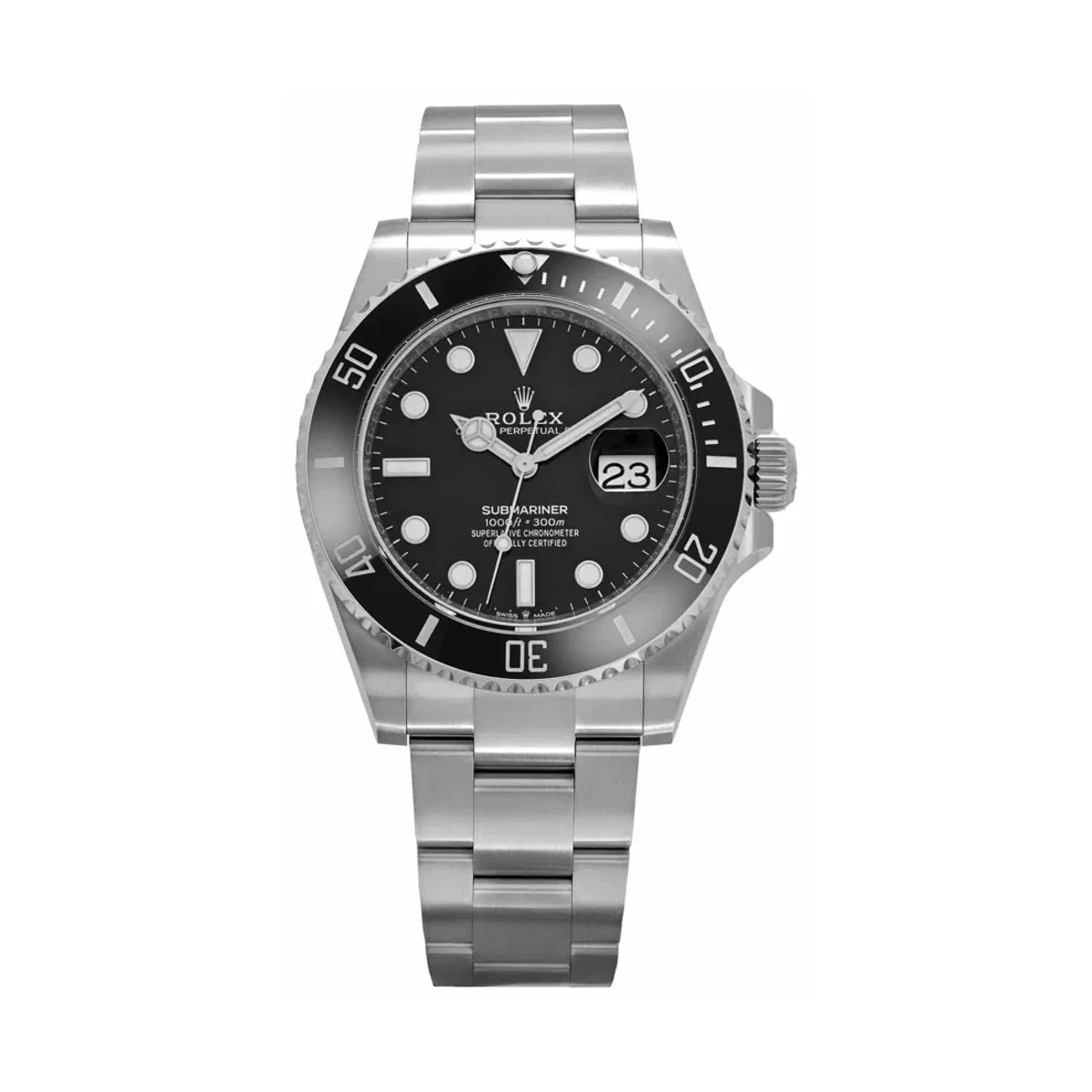
On Rolex specifically, the coronet logo at 12 o'clock is a reliable tell. Authentic examples have a precisely detailed five-point crown with defined internal contours. Replicas almost universally blur, flatten, or incorrectly proportion the points. This is one check that takes five seconds and eliminates a large percentage of fakes immediately.
We also verify text consistency by era. Rolex dials follow strict capitalization and spacing rules that changed at specific production dates. A "SUBMARINER" text in the wrong font weight for its serial range, or "Swiss Made" in the wrong baseline position, indicates either a redial or a non-authentic piece.
Step 3: Case and Bracelet Inspection
Case finishing is one of the hardest things for replica manufacturers to get right at production scale. Rolex sports cases have polished bevels on brushed surfaces, the transition between those two finishes is crisp, intentional, and consistent. Replicas either over-polish everything, or apply brushing with inconsistent grain direction. We run a straight edge check across all flat surfaces and inspect bevel geometry at the lugs under directional light.
Bracelet end links are another reliable check. Authentic Rolex end links sit flush with the case with minimal play and correct geometry. Replicas frequently have visible gaps, uneven seating, or rattling end links. We check every link for proper tolerance and confirm the clasp markings are consistent with the reference.
Step 4: Crown and Caseback
On modern Rolex, the Triplock crown has a three-dot indicator stamped into the crown face. Fake examples frequently use two-dot or unmarked crowns, a fast tell that requires no tools. Screw-down resistance should be firm and even throughout the threading range. Gritty or loose crown action often indicates a non-original crown tube or a replaced crown.
Exhibition casebacks are an instant disqualifier on brands that don't use them. A Rolex with an exhibition caseback is not a Rolex, full stop. Solid casebacks should carry correct hallmarking, reference numbers, and model engravings at appropriate depths. We compare against reference images for each specific model.
Step 5: Movement Verification (Where Accessible)
Where the watch allows movement inspection, exhibition caseback, or via a trusted watchmaker, we verify rotor finishing, movement engravings, and overall architecture against reference material. A Submariner should carry a Cal. 3235. An Omega Seamaster 300M should have a Cal. 8800 or the earlier 2507 depending on generation. If the movement is an ETA clone or a Chinese caliber, it's not what it's claimed to be, regardless of what the dial says.
For watches that don't allow caseback access, we check movement behavior instead, beat rate stability under a timing machine, power reserve consistency, and chronograph function (where applicable).
Step 6: Cyclops and Crystal Check
The cyclops lens on Rolex date models provides 2.5x magnification of the date window, with the date sitting centered and clearly readable. Replicas frequently use cyclops lenses that underperform on magnification, distort at the edges, or show the date slightly off-center. We confirm under direct comparison.
Crystals are also inspected for chips, edge damage, and anti-reflective coating consistency. Aftermarket crystals are common on watches that have been serviced at non-authorized shops, they're not inherently a problem, but they should be disclosed and priced accordingly.
No single check is definitive. Authentication is cumulative, it's the combination of a dozen correct details that gives you confidence, not any one feature in isolation.
The Bottom Line
If you're buying from Northern Dial Co., every piece has been through this process before it's listed. If you're buying elsewhere, especially from a private seller on eBay or Facebook, run through this checklist yourself before committing. And for any purchase over $5,000 where you have any doubt at all, pay for a professional third-party authentication. Watchfacts and WatchCSA both run fast turnarounds and the cost is trivial relative to the exposure you're taking on.